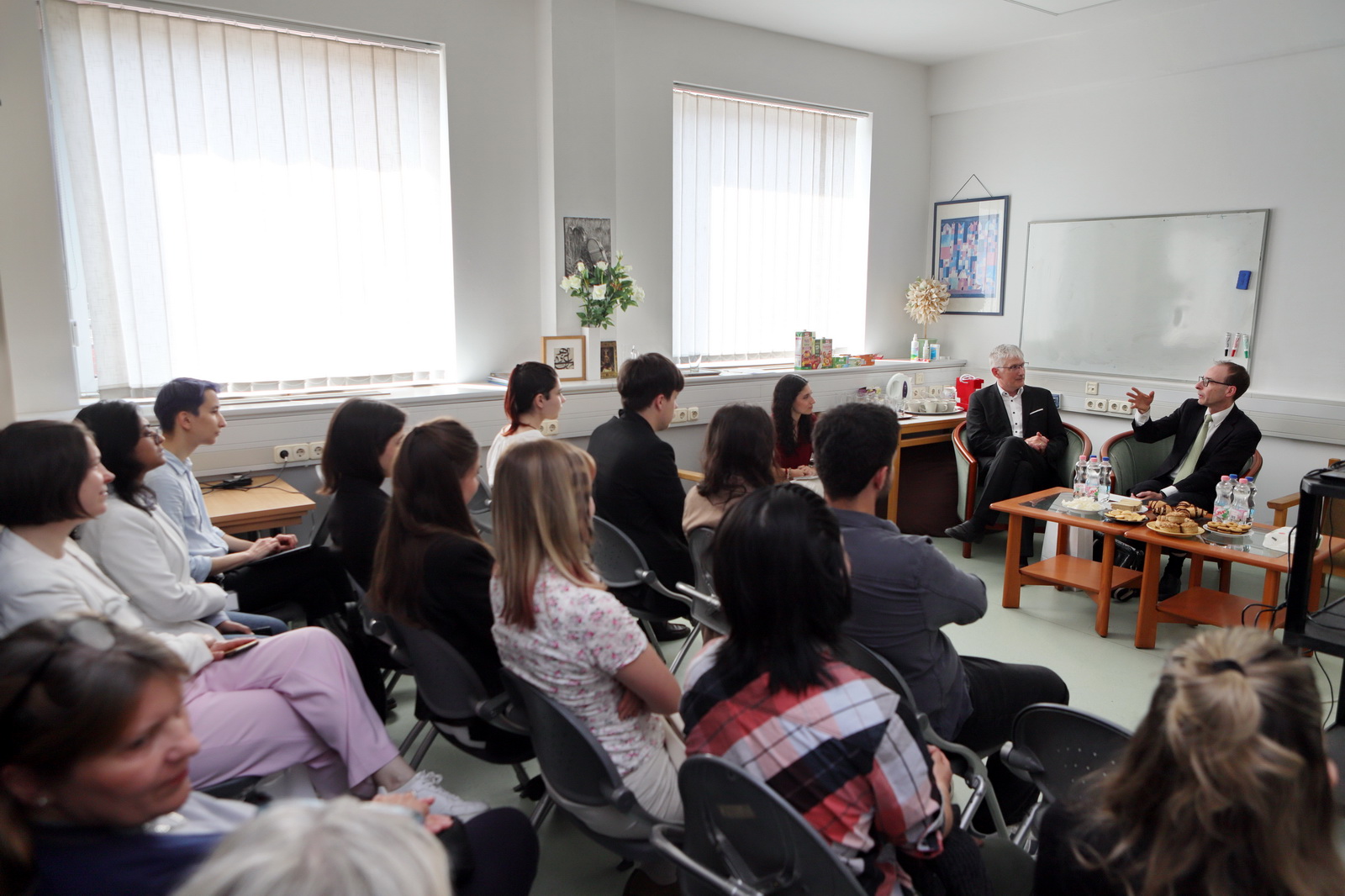
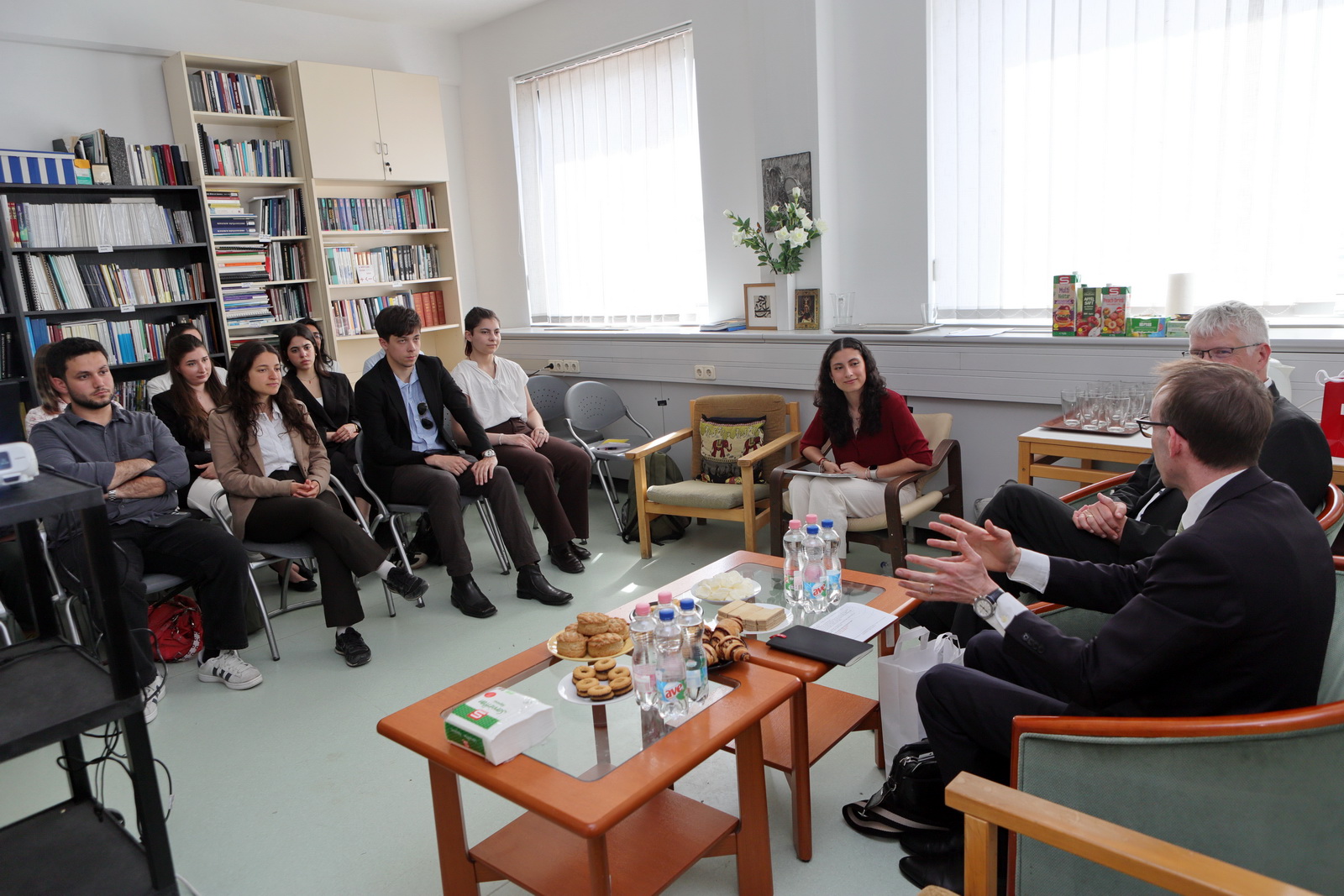
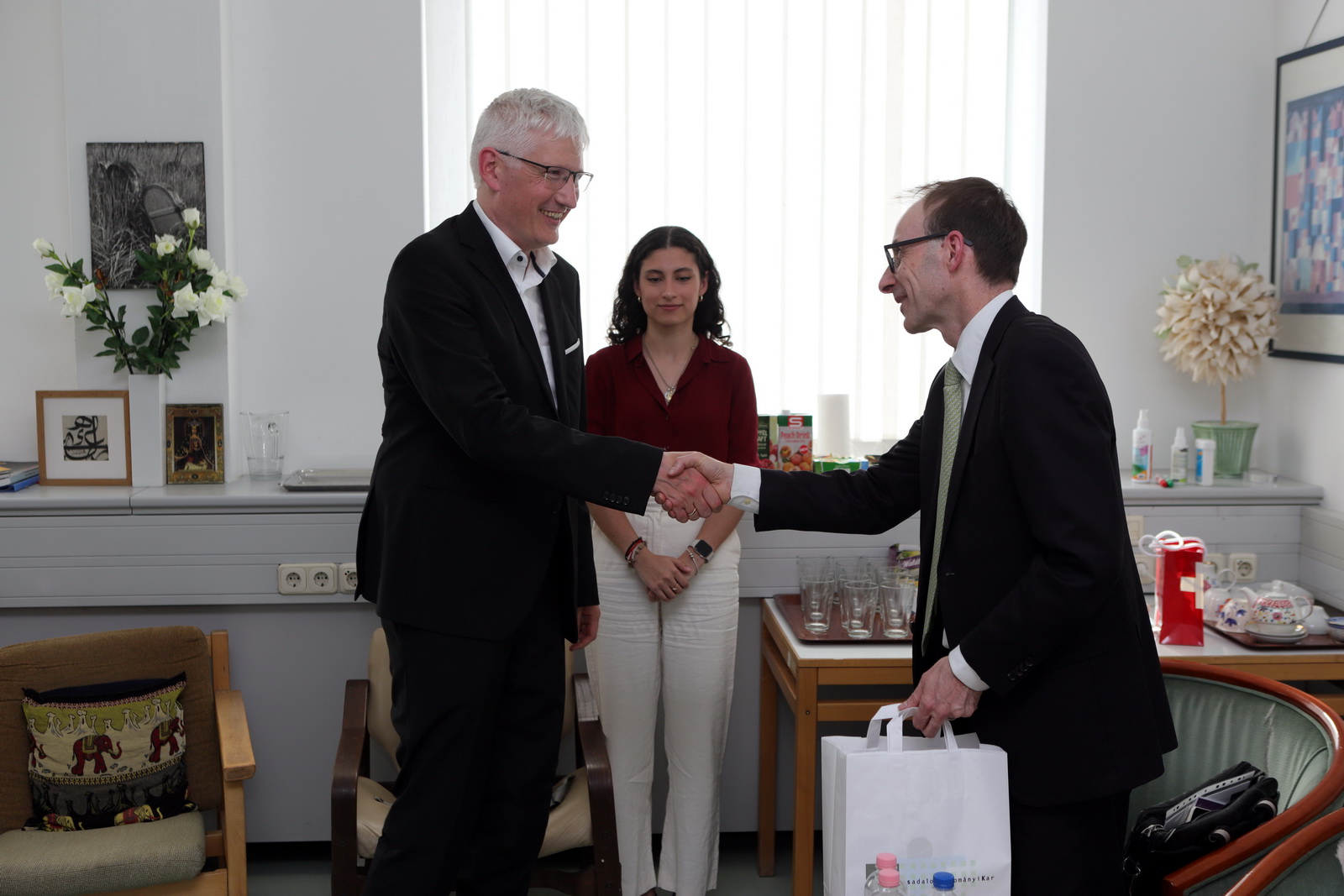
In a student forum at the ELTE Faculty of Social Sciences, H.E. Swiss Ambassador Alexander Renggli addressed a broad range of topics, including Switzerland’s relations with the European Union and approaches to regulating artificial intelligence.
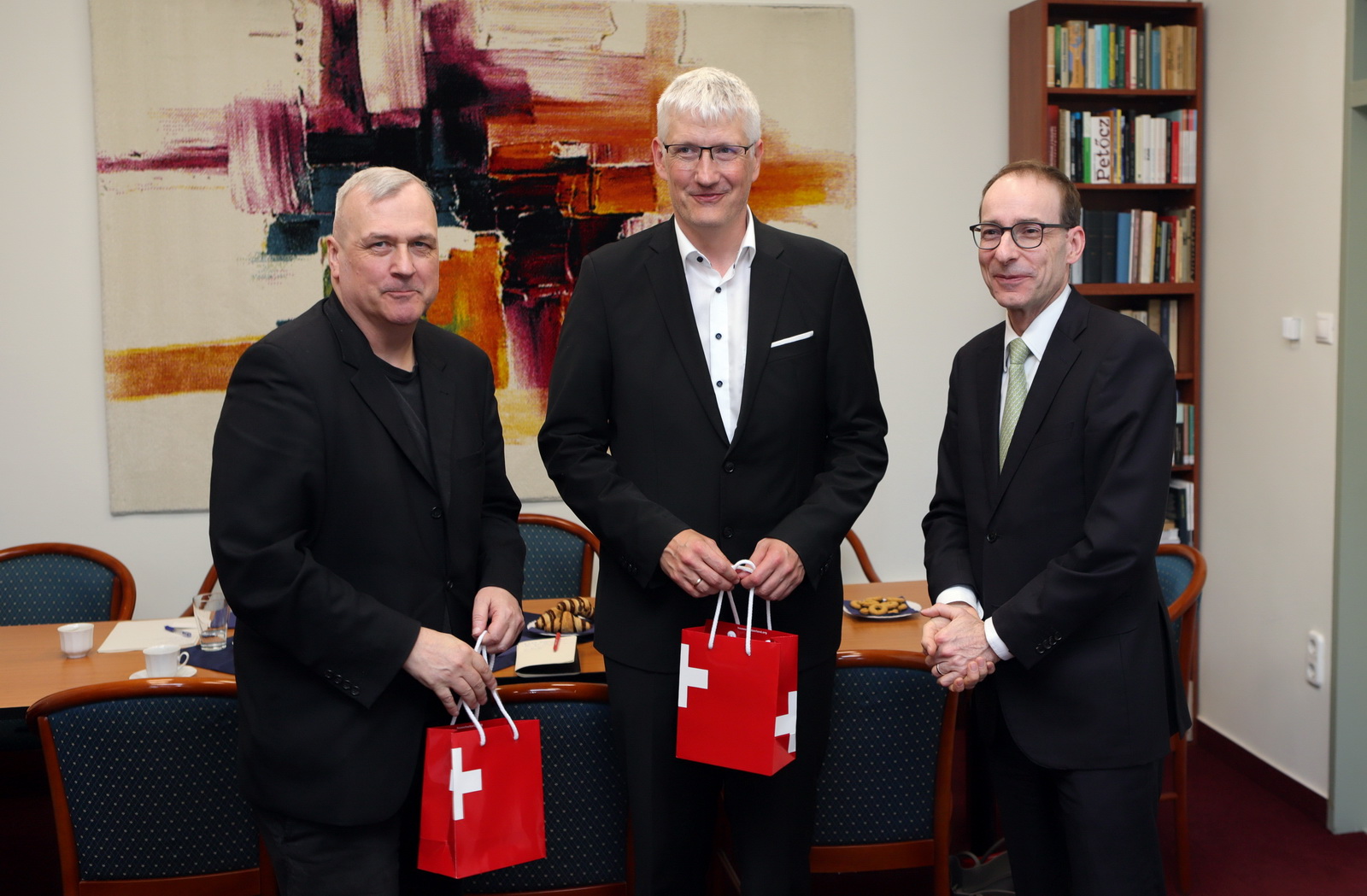
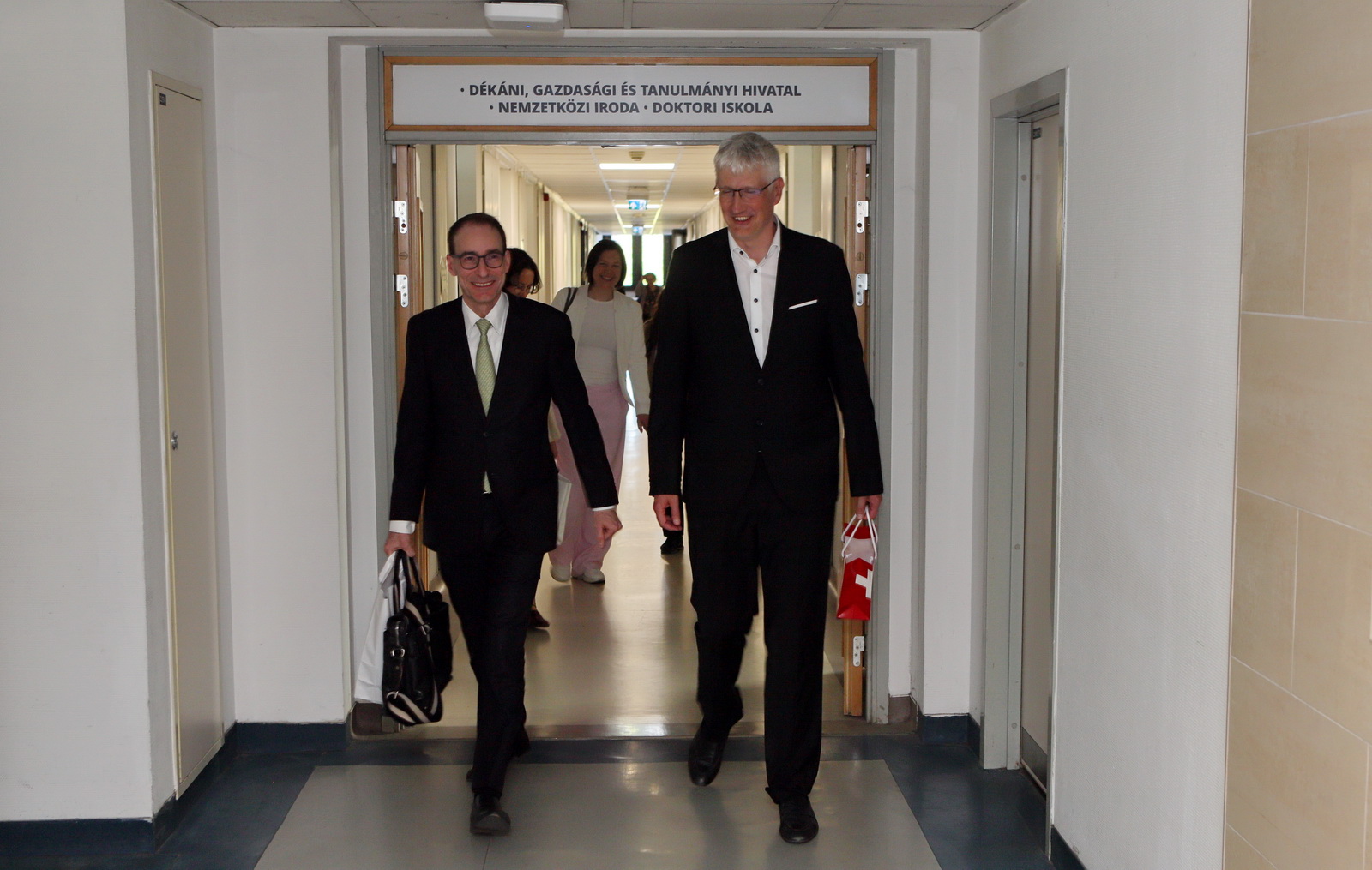
On 6 May, Alexander Renggli, Ambassador of Switzerland to Hungary, visited the Faculty of Social Sciences, ELTE. He was accompanied by Dóra Huszti‑Hambuch, Cultural and Education Attaché, and Attaché Céline Imobersteg.
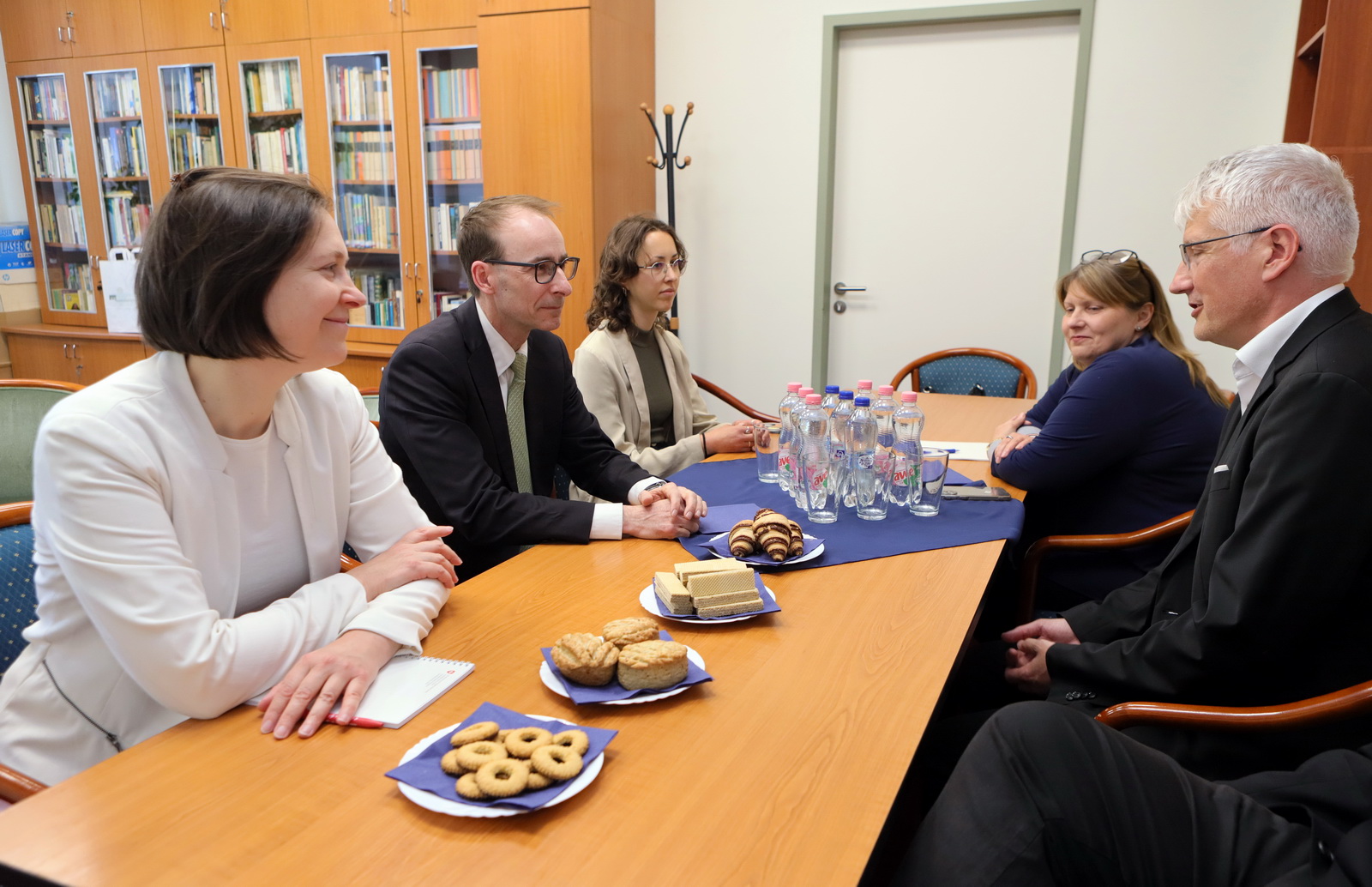
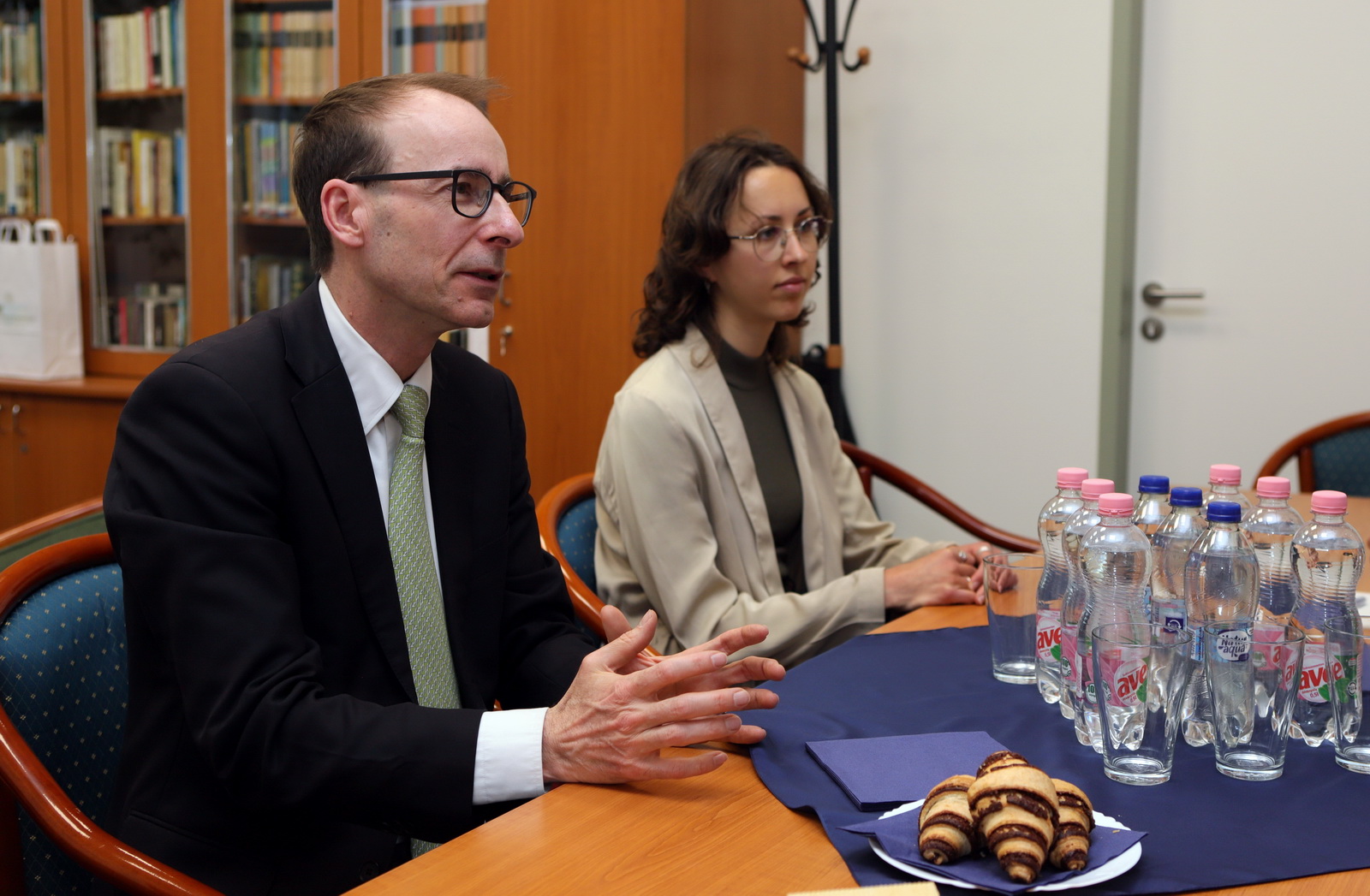
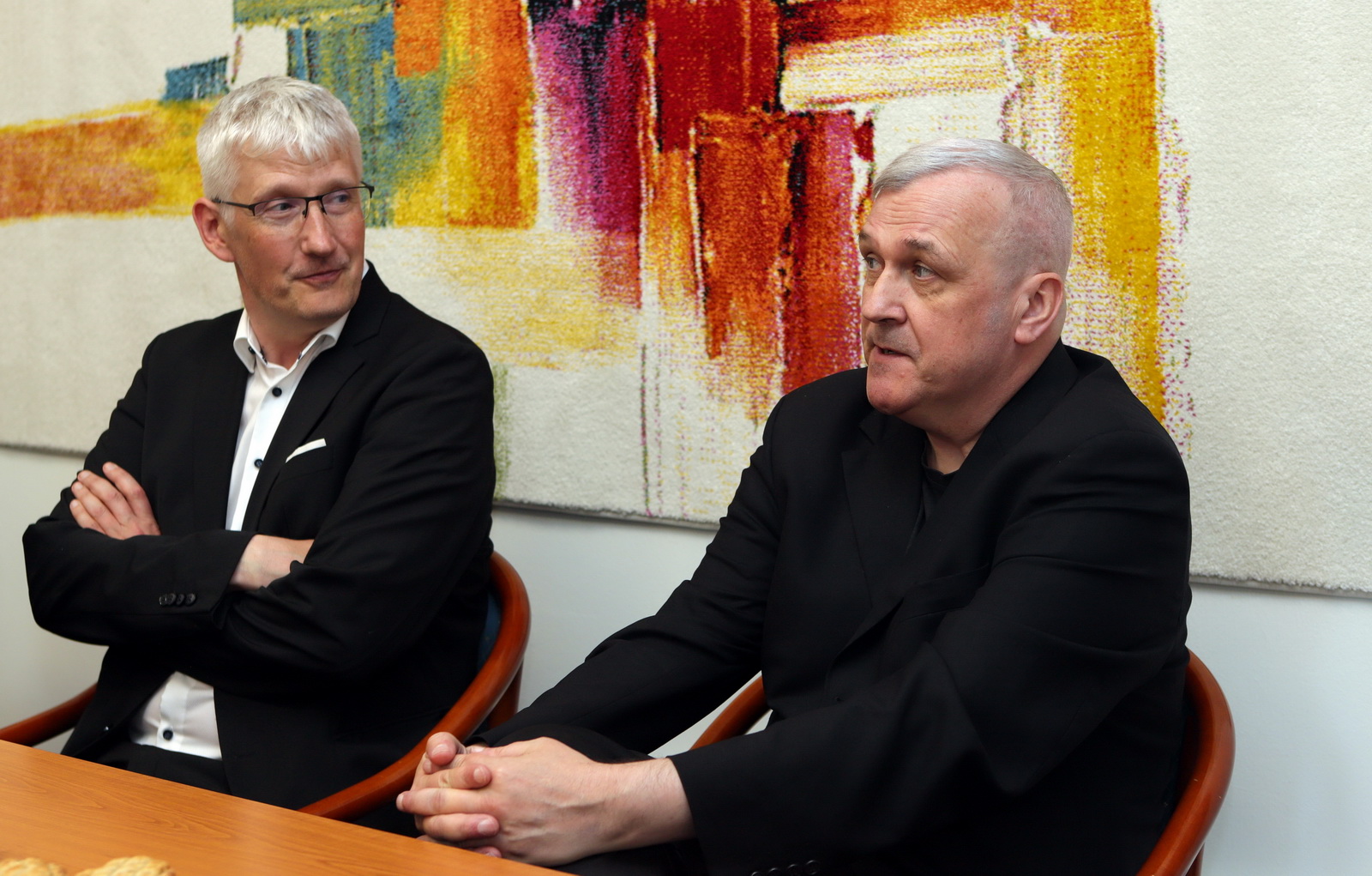
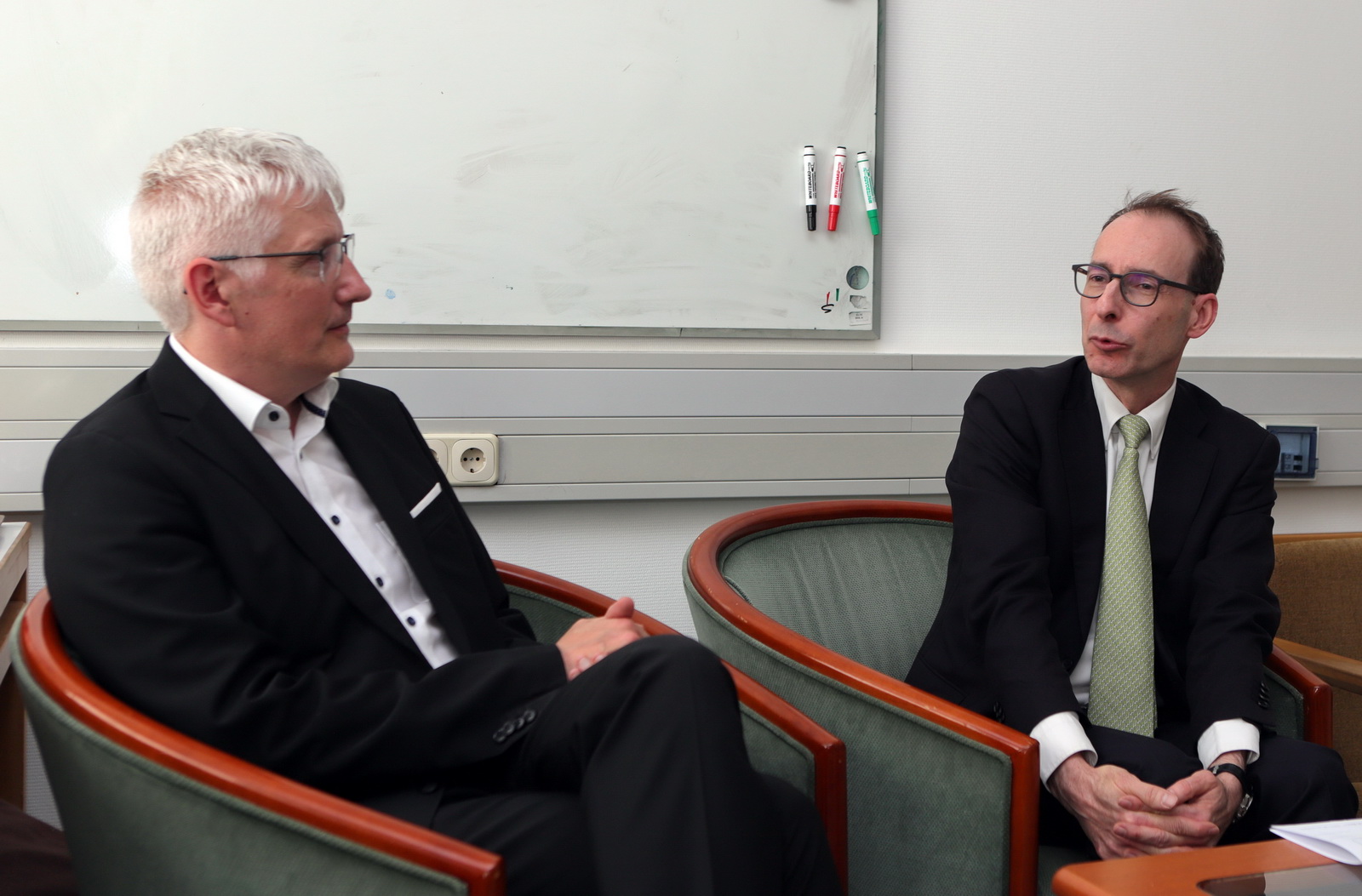
The delegation was welcomed at the Lágymányos Campus by Zoltán Gábor Szűcs‑Zágoni, Vice Dean for International Affairs, Andrew Ryder, Director of the Institute for Political and International Studies, and Krisztina Mosdóczy, Head of the Dean’s Office. During the informal meeting, the participants emphasized the importance of university autonomy and expressed their shared intention to strengthen bilateral academic cooperation.
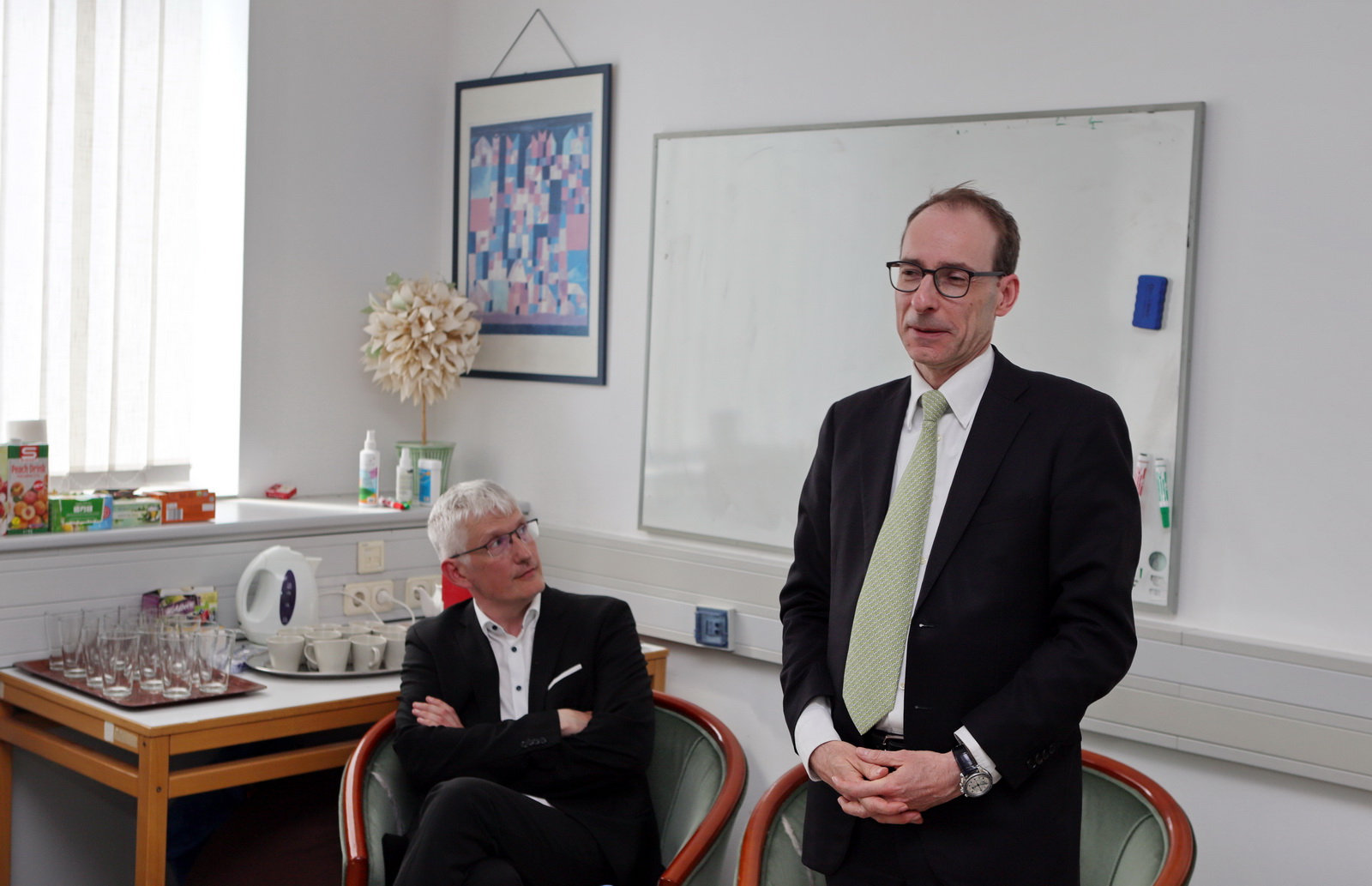
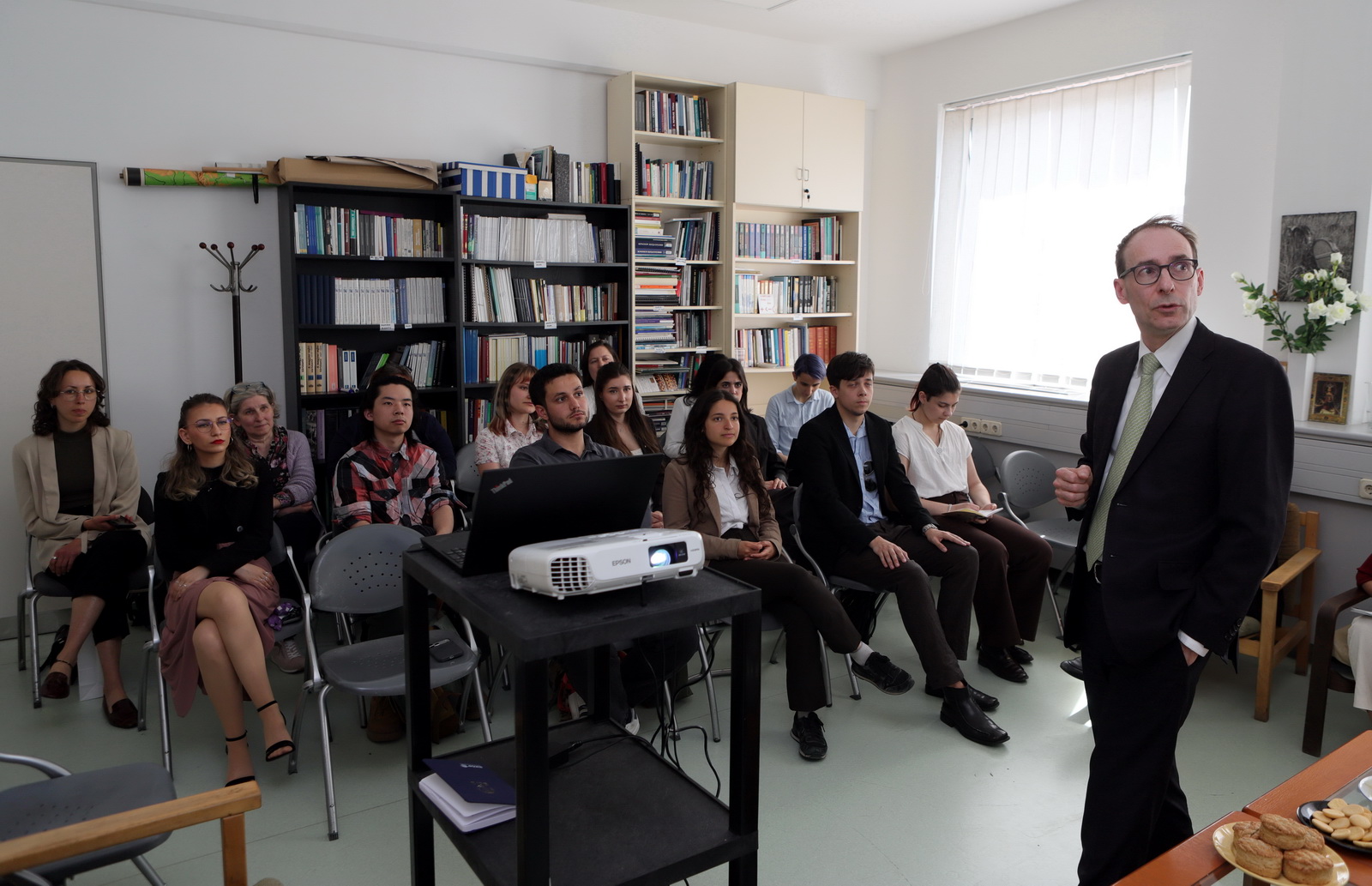
Following the meeting, Ambassador Renggli delivered a lecture to students of the Faculty on the economic, research and innovation, and cultural relations between Switzerland and Hungary. He highlighted that the two countries re‑established diplomatic relations exactly 80 years ago, following the end of the Second World War.
In his presentation, the Ambassador outlined Switzerland’s foreign policy strategy, touching on the country’s geopolitical characteristics, its three‑tier federal system, the mechanisms of direct democracy, and the practical dimensions of political neutrality. He also provided a detailed overview of Swiss–EU relations, which are based on a complex network of bilateral agreements.
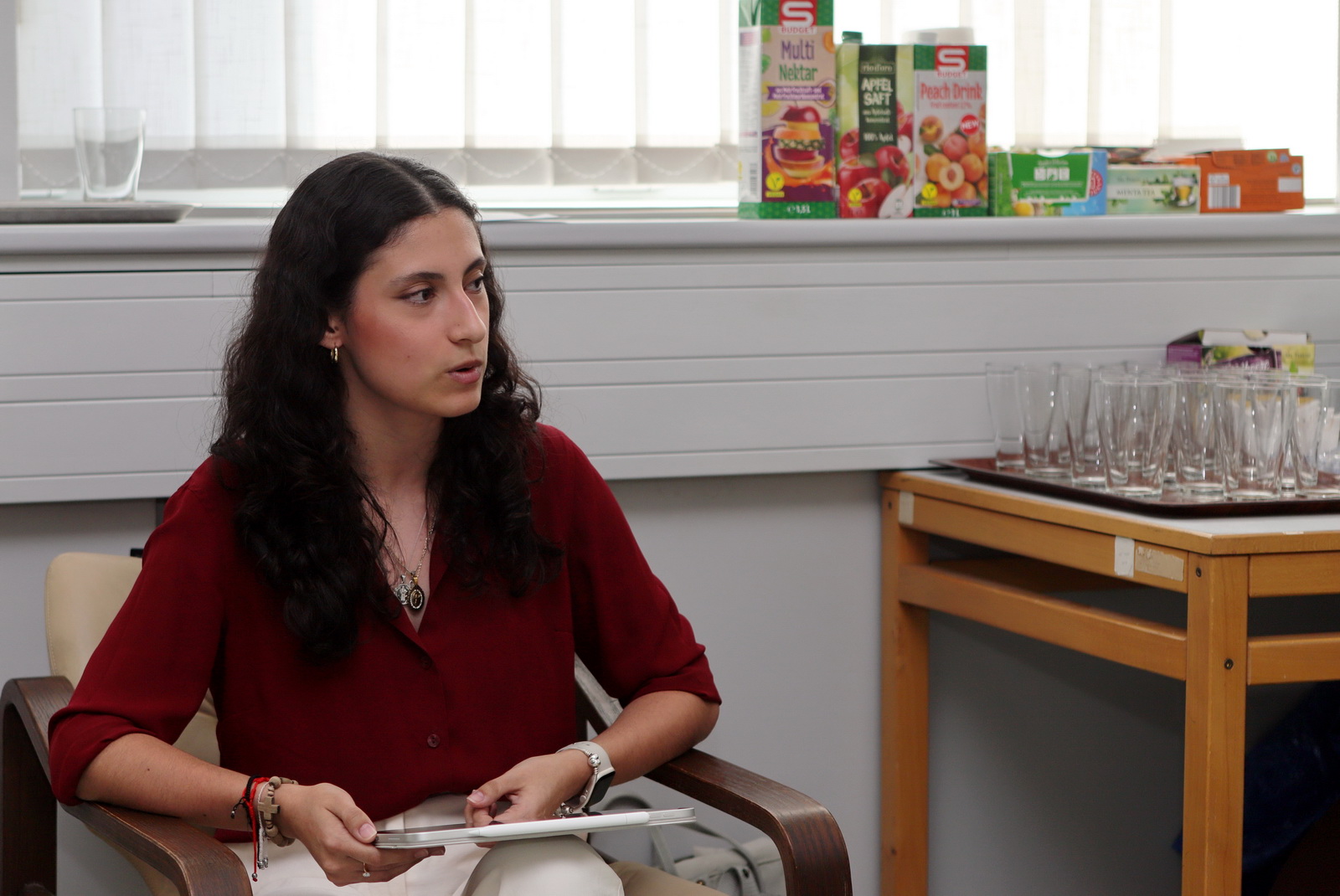
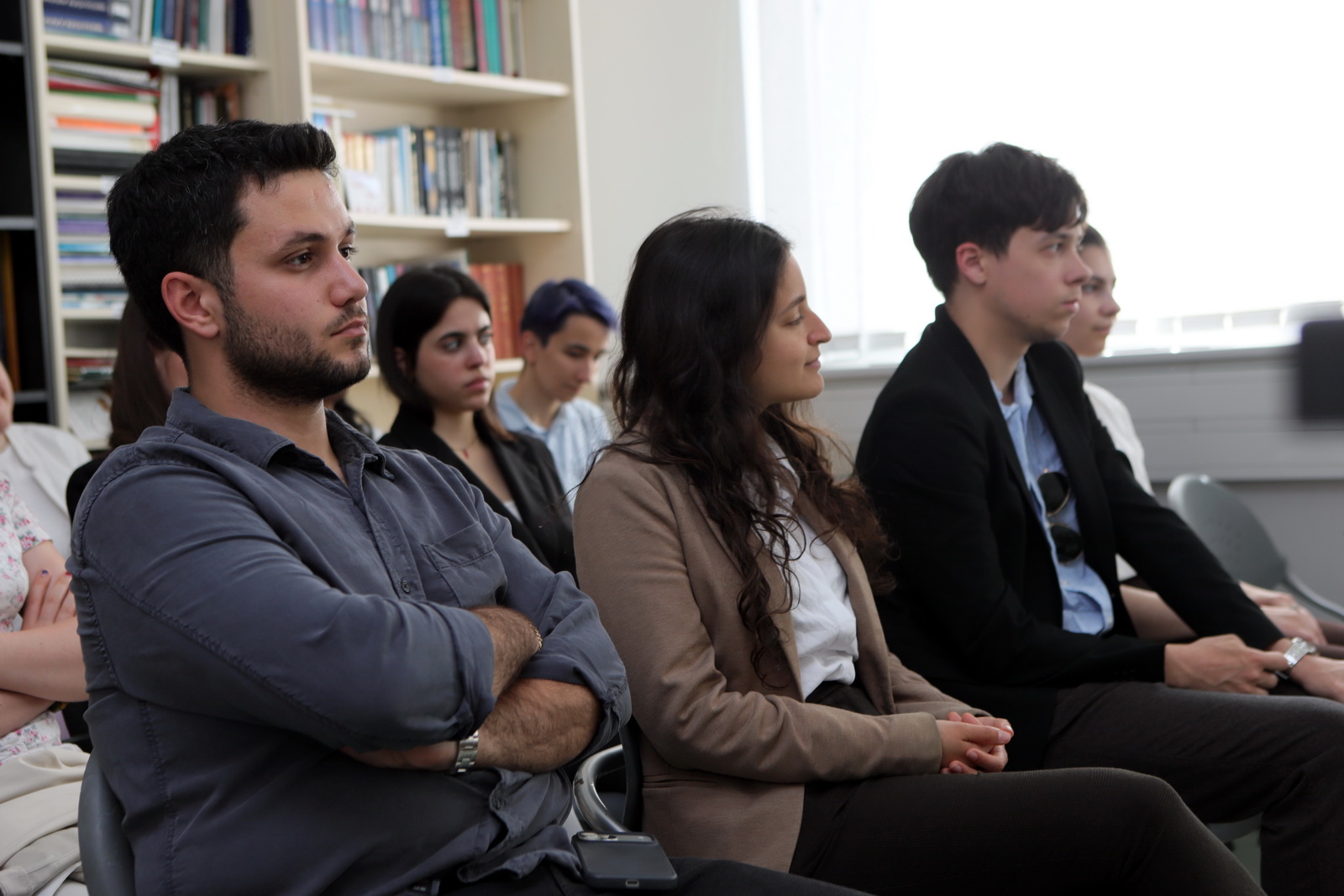
The visit concluded with a student forum, where the Faculty’s students asked the Ambassador about Switzerland’s potential EU membership and its approach to regulating artificial intelligence. In his response, Alexander Renggli recalled that Switzerland rejected EEA membership in a 1992 referendum and since pursues what it refers to as the “Bilateral Path”. He noted that the Swiss government has recently negotiated a broad package of agreements with the EU (Bilateral III) to stabilize and further develop the bilateral path, which includes new sectoral bilateral agreements and expanding cooperation into new areas.
According to the Ambassador, the European Union currently plays a leading role in shaping AI regulation through the EU AI Act. Switzerland is developing its own regulatory approach, while taking developments in the sectors and at international level into account, particularly in the EU and the Council of Europe. The aim is to develop an approach in dialogue with all stakeholders that upholds human rights, democracy and the rule of law while promoting Switzerland’s capacity for innovation and growth.
In his closing remarks, Alexander Renggli encouraged students aspiring to international careers not to be discouraged by growing labor market competition or initial setbacks, emphasizing that the time and effort invested in career development yield long‑term results.
Photos